Our story
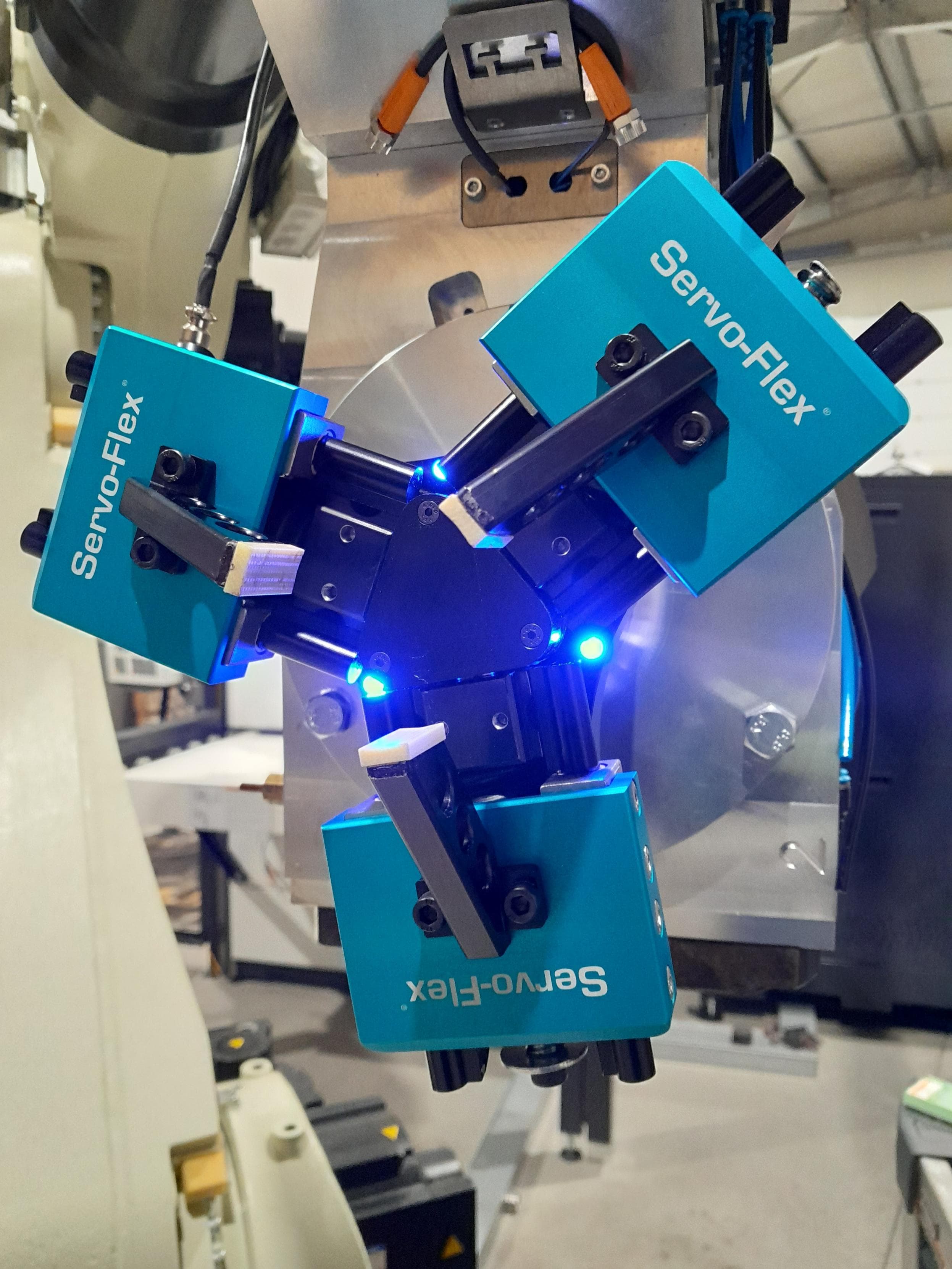
We built the gripper
we wished existed.
Servo-Flex was born on the shop floor — out of the frustration that slows down every robot cell.
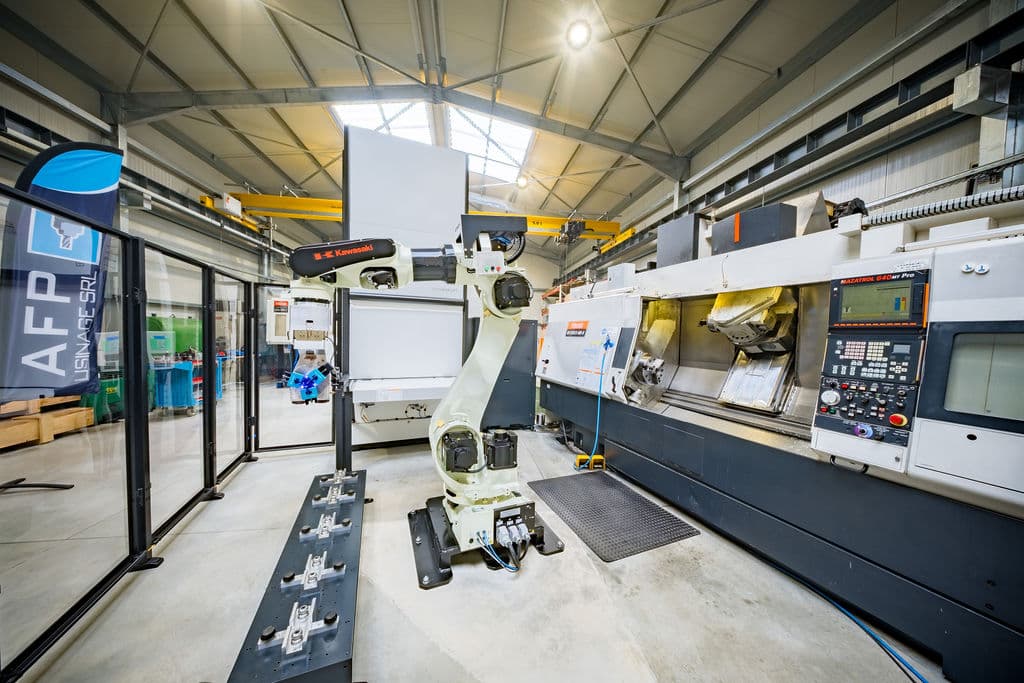
Frédéric Parache · AFP Usinage
We lived the
problem first.
Before Servo-Flex, we were the customer.
The promise
The promise was flexibility.
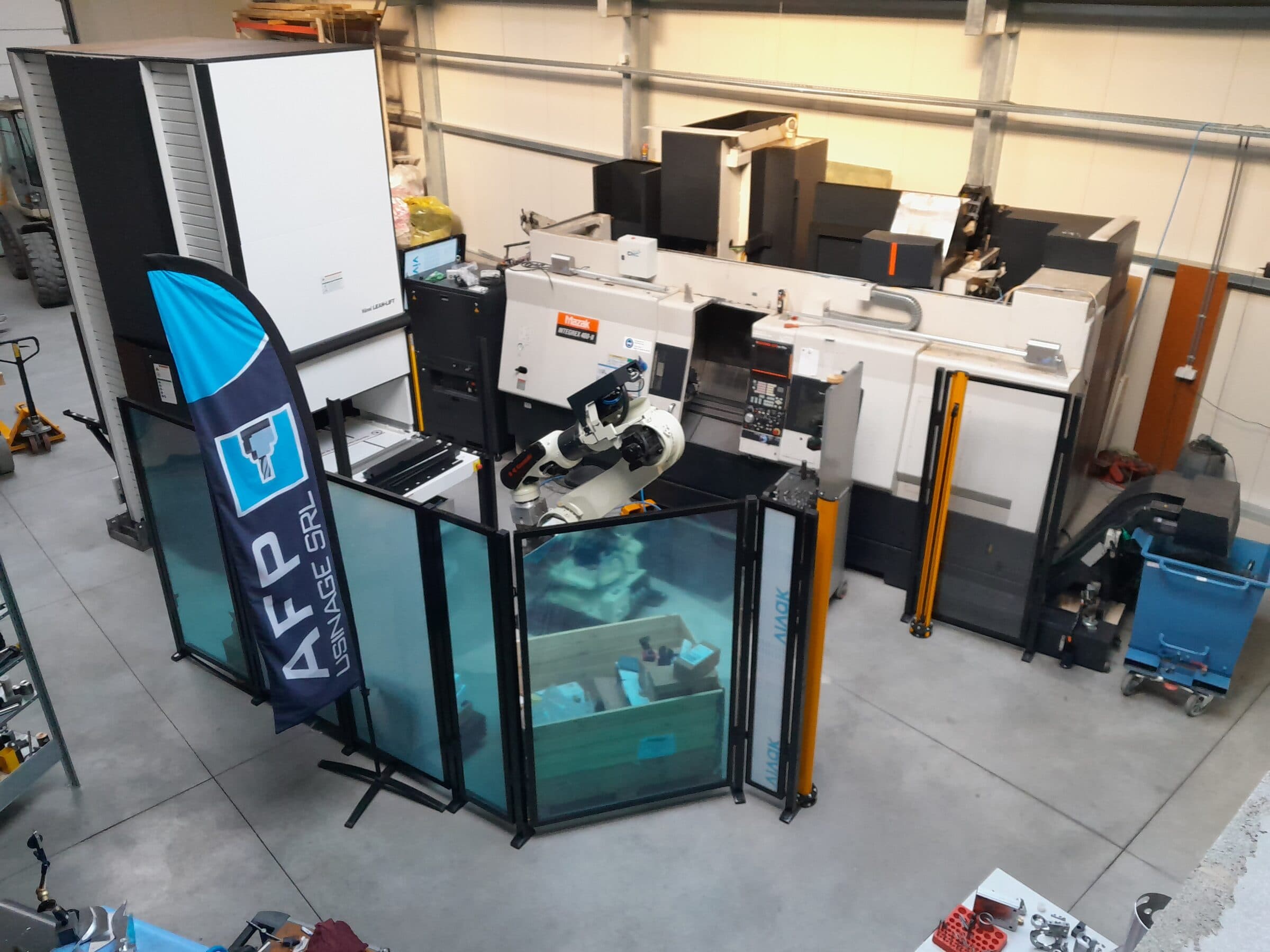
We bought robots to handle a thousand different parts. High mix, low volume. The future of manufacturing. That was the promise on the brochure.
The reality
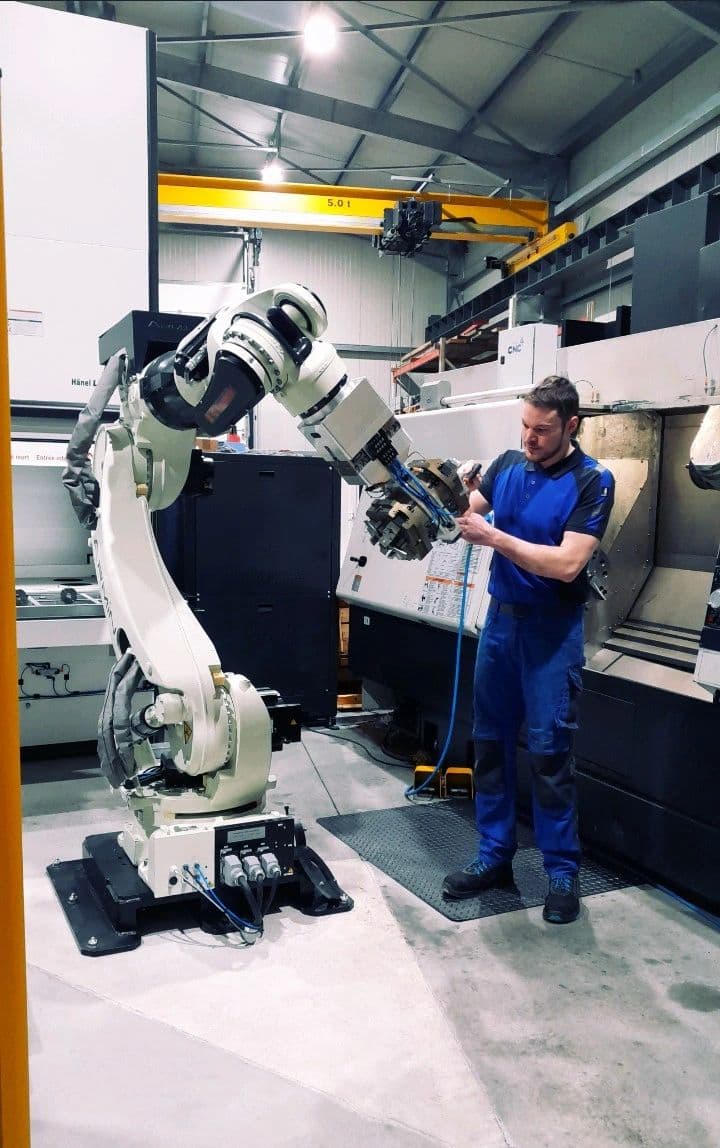
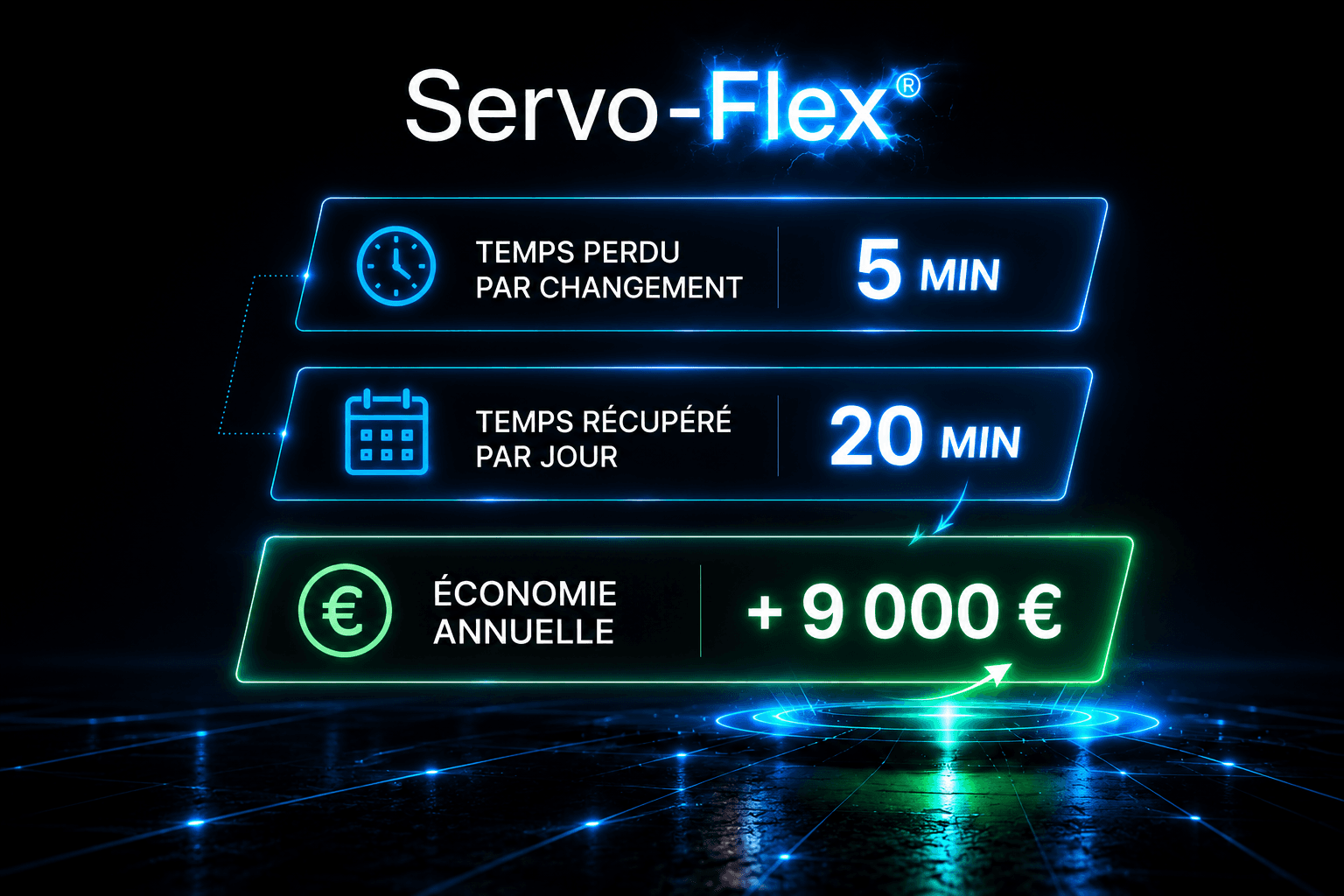
The reality was the jaw change.
The cost
We watched the hours disappear.
Minutes of setup, multiplied by every changeover, multiplied by every week. Time that should have been billable production, lost to re-tooling. And every manual adjustment was a new chance to drop a part or scrap a run.
The weight
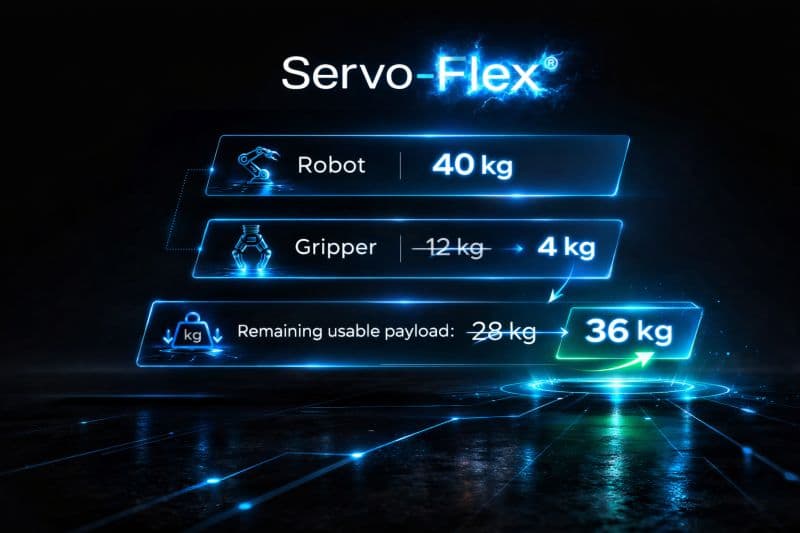
And the robot carried dead weight.
The heavy gripper that did all this stole kilograms from the arm — payload we were paying for but couldn't use on the actual part. The whole cell felt heavier and more fragile than it should.
The numbers that started it
6 → 120mm
One setup.
+8kg
Payload recovered.
+10%
Production.
Thousands
Of cycles validated.
We kept asking one question
Why isn't there
one gripper
for everything?
The answer
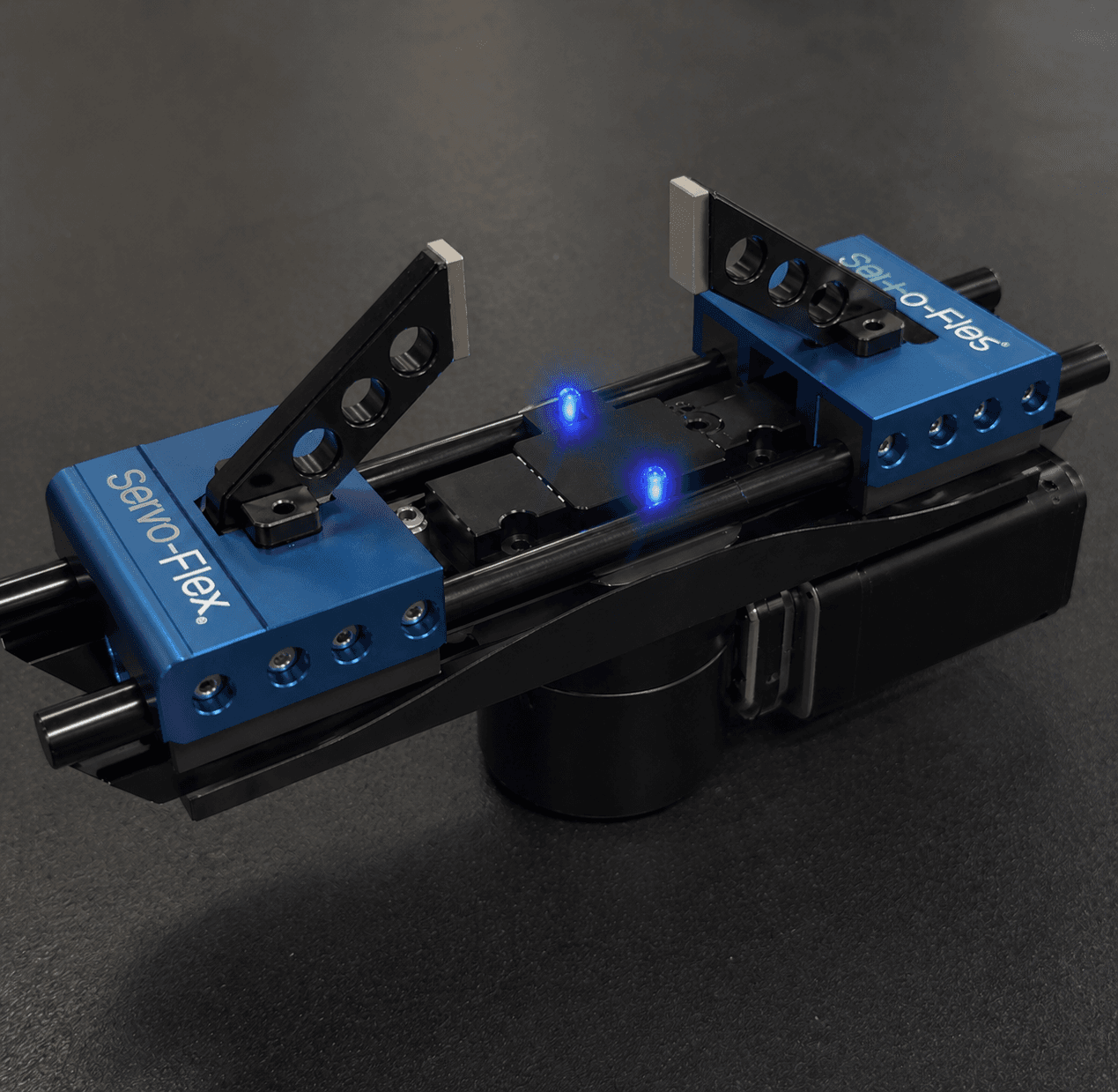
Servo-Flex was the answer.
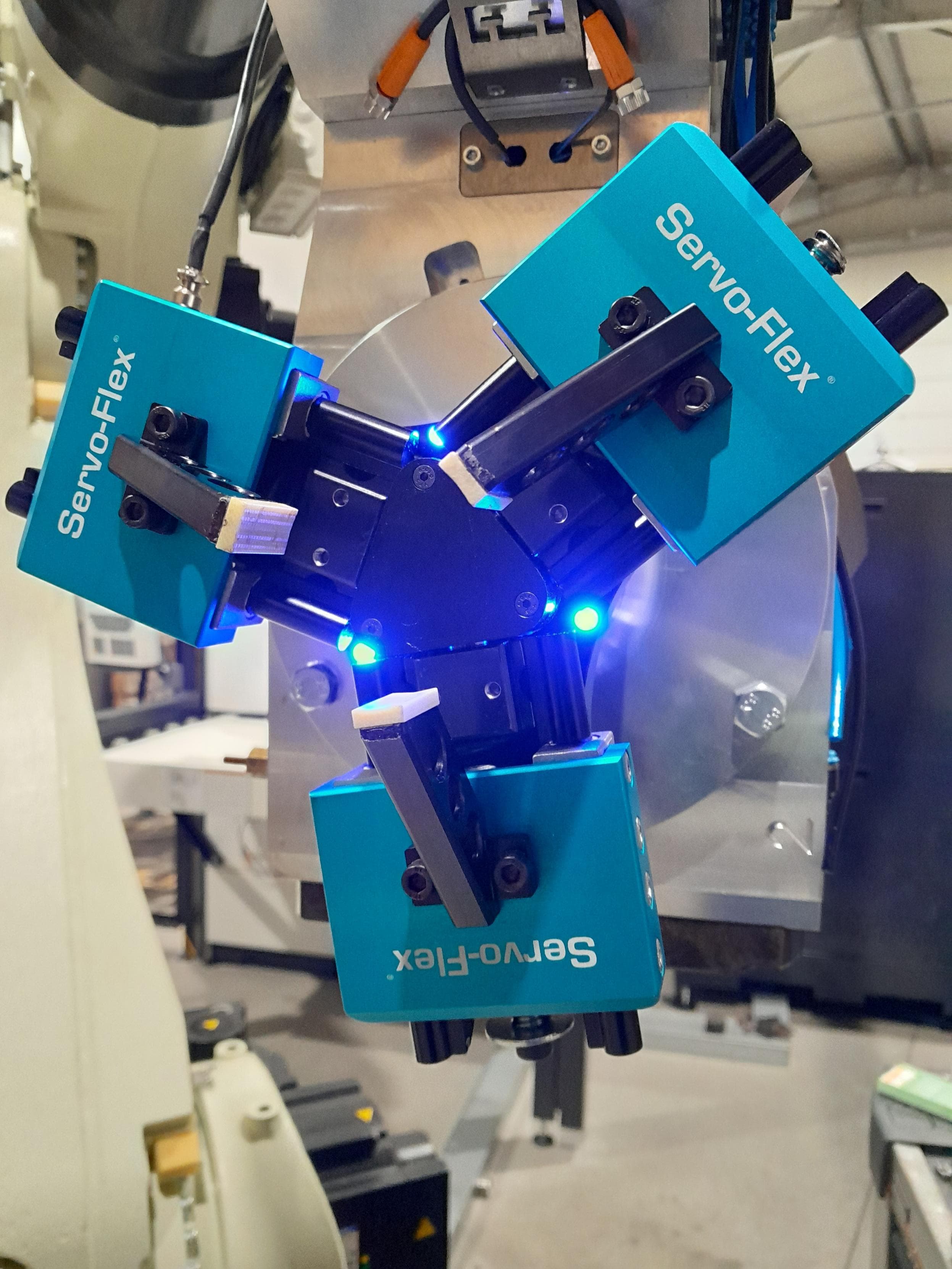
One flexible gripper. One jaw configuration. 6 to 120 millimetres with no manual change. Light enough to give the robot its payload back. And a mechanical lock so the part is never dropped — not even when the power is gone.
This product was created by a manufacturer.
Not by a marketing department.
Frédéric Parache · Founder, AFP Usinage
From the shop floor to a patent.
2019
The origin
AFP Usinage automates its own precision CNC work — and runs head-first into jaw changes, setup time and lost payload.
2020
The frustration
Every changeover stops production. The flexibility we were promised is buried under manual re-tooling.
2021
The insight
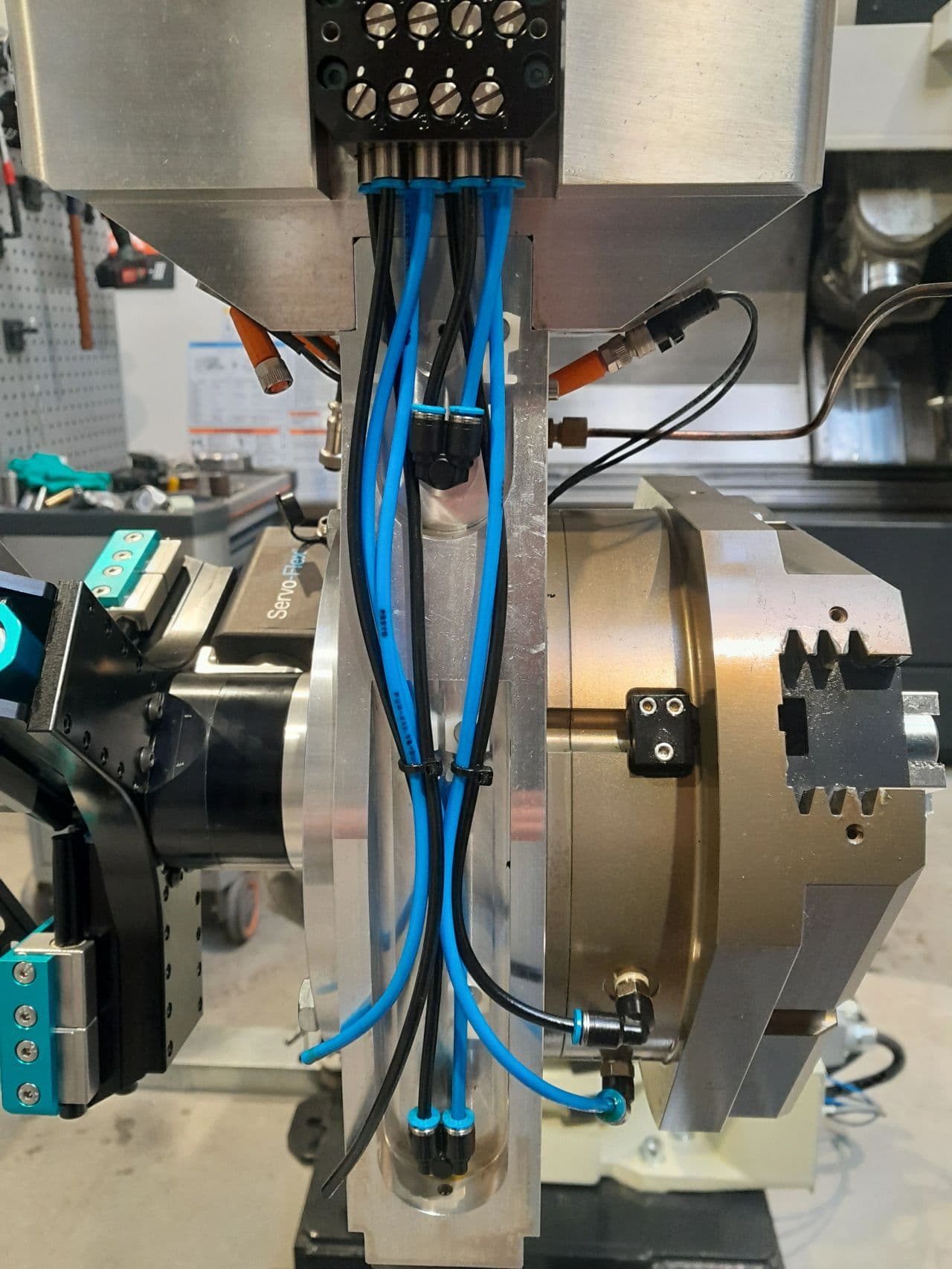
The robot is rarely the limit. The gripping strategy is. One flexible gripper could replace a whole rack of dedicated tools.
2024
The patent
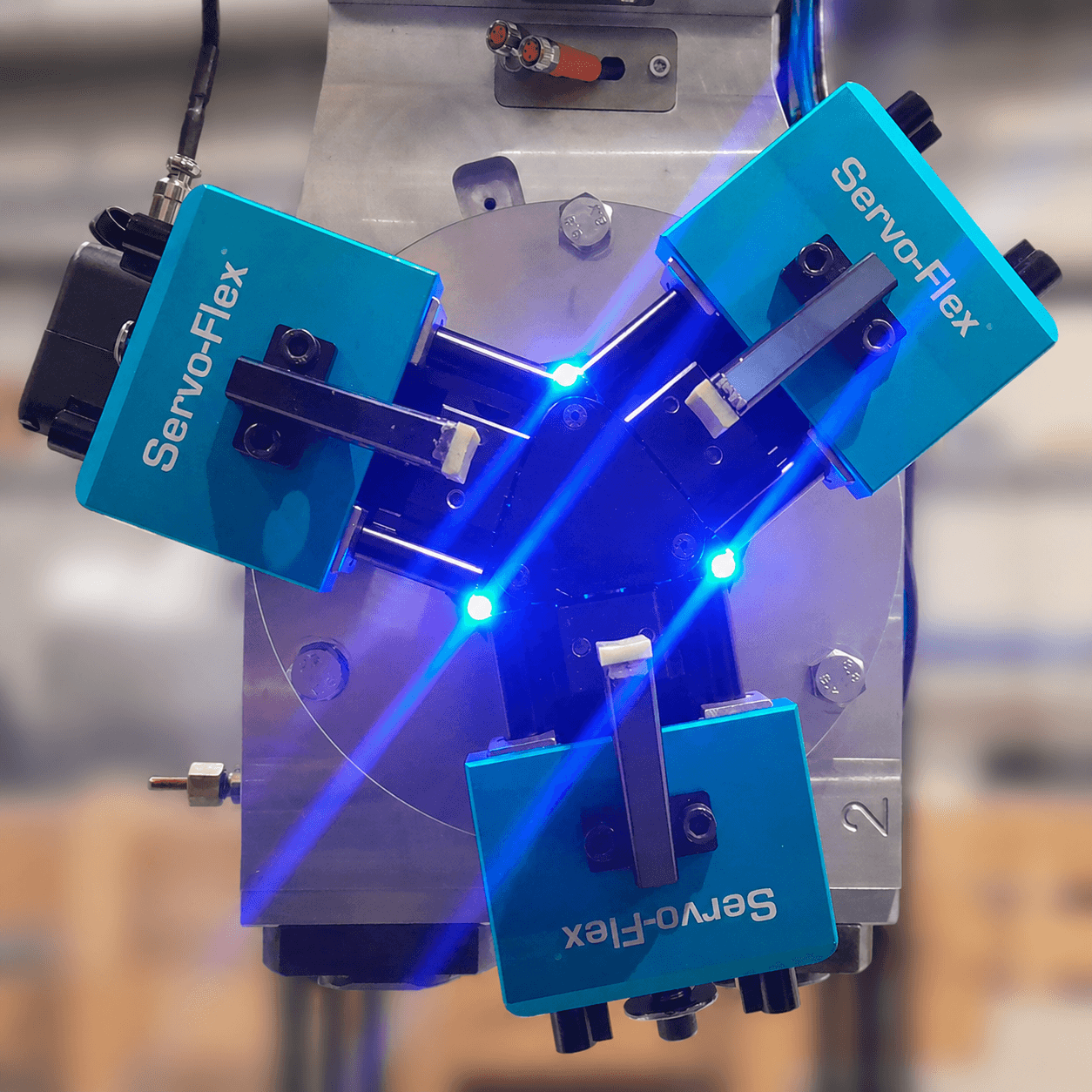
A servo-electric design that grips 6–120 mm, delivers up to 5 kN per jaw, and locks mechanically — no air, no dropped parts on power loss.
Today
Flexi 100 & Flexi 150
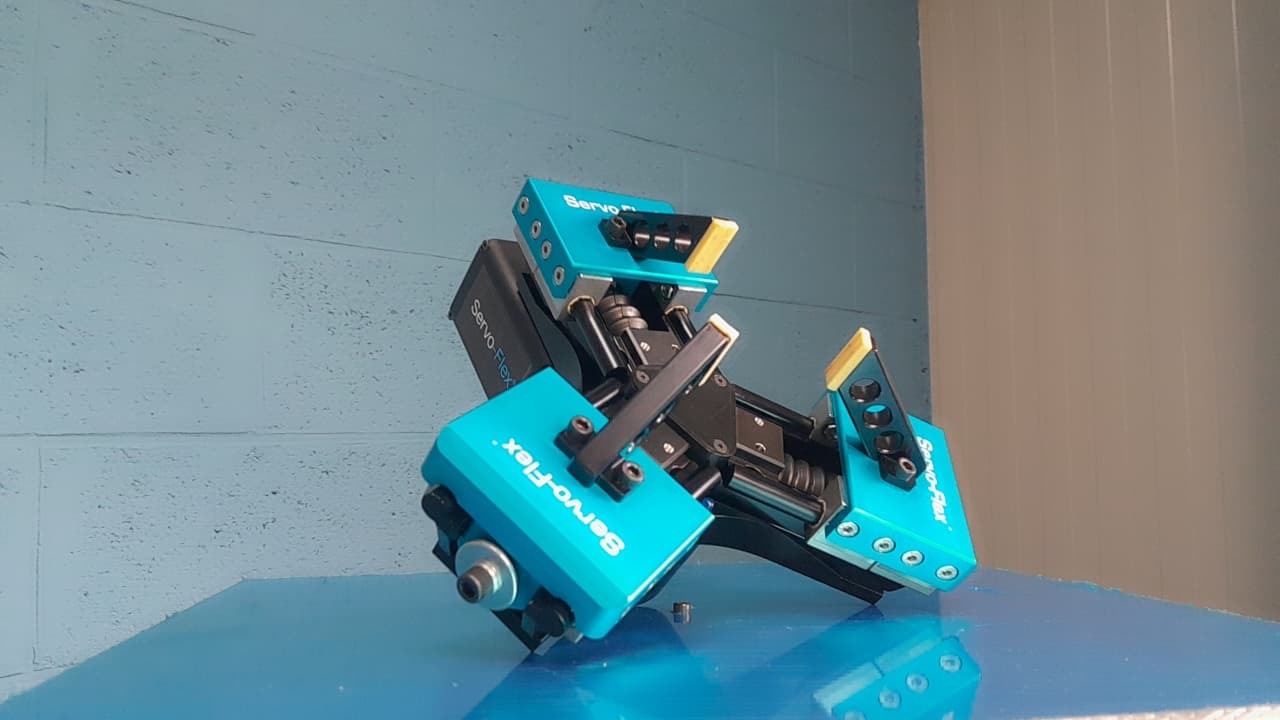
Two grippers, one conviction: make robot cells simpler, more compact and more profitable for integrators worldwide.
🇧🇪 Designed and engineered in Belgium.
Built for production.
Not for trade shows.
Built to an industrial standard, refined on real cells, validated over thousands of cycles. Not a prototype that demos well — a tool that survives the shop floor.
“We didn't invent Servo-Flex in a lab.
We invented it because we were tired of stopping machines.”
Simpler cells. Better economics. Fewer compromises.
That is the whole point of Servo-Flex — and the standard we intend to set for flexible robotic gripping. We built it for our own floor first. Now we build it for yours.